-
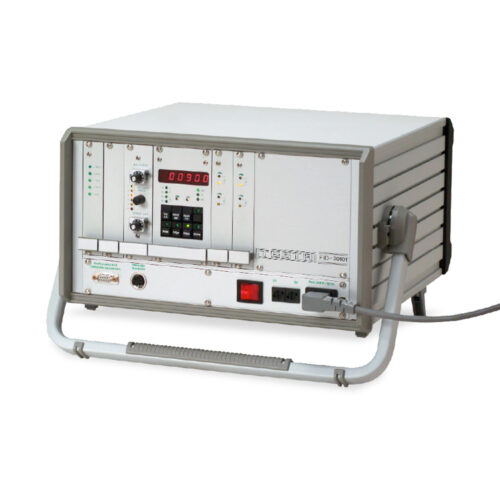
Total Hydrocarbon Analyser
The Flame-Ionisation-Detector 2010 T measures Total HydroCarbon (THC) in a wide range of applications like catalytic- and thermal oxidiser plants, waste gas processing plants, room and environmental air, solvent recovery plants and vehicle exhaust gases.By it`s little weight and it`s compact dimensions, he is especially made for daily changing measuring points or shorttime measurings campains. -
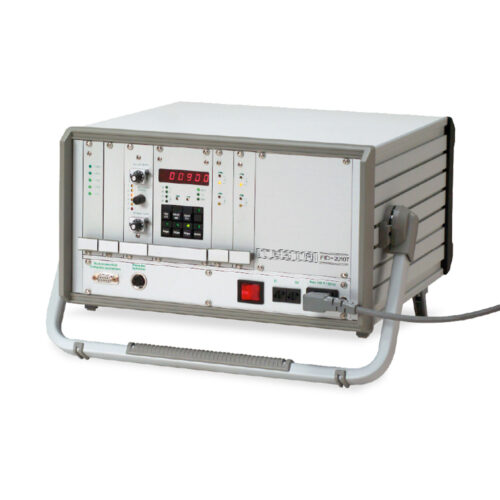
Methaan/THC Analysator
De draagbare verwarmde FID 2010 NMHC van TESTA meet met zijn ingebouwde NMHC-cutter de methaanconcentratie (alleen methaan) en na overschakeling op een ander kanaal ook de THC in een breed scala aan toepassingen zoals bewaking van schoorsteengasemissies, bewaking van omgevingslucht, monitoring van thermische reactor- en verbrandingsemissies en ook uitlaatgassen van voertuigen. De monitoring is continu met een hoge nauwkeurigheid, gevoeligheid en stabiliteit. Alle componenten die in contact komen met het monster worden volledig verwarmd op 200°. -
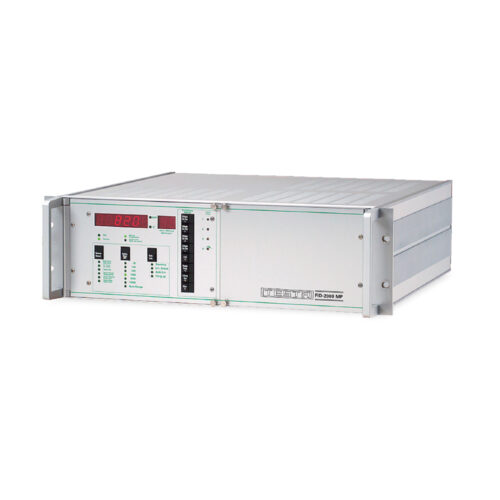
Mini/Micro-SHED
The Flame-Ionisation-Detector (FID) 2000 MP measures the concentration of Total Hydrocarbons in SHED-chambers of different sizes. For applications beginning of 2,5m3 we recommend to measure in a heated circular system to get a response time near to real changes of concentration in the chamber. For smaller chambers, we have developed a special FID-analyzer with a sample flow of 12ml/min. These two types of analyzers optimizethe air change rateover the extraction rate. -
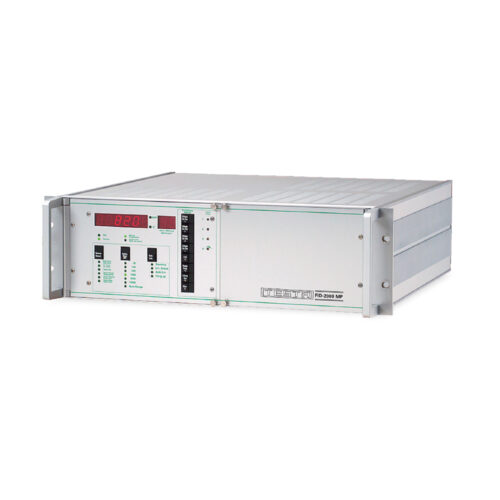 The Flame-Ionisation-Detector (FID) 2000 MP measures the concentration of Total Hydrocarbons in a wide range of applications like all kind of emission control, catalytic- and thermal oxidiser plants, waste gas processing plants, room and environmental air (immissions), solvent recovery plants and vehicle exhaust gases. The monitoring is continous with a high accuracy.
 -
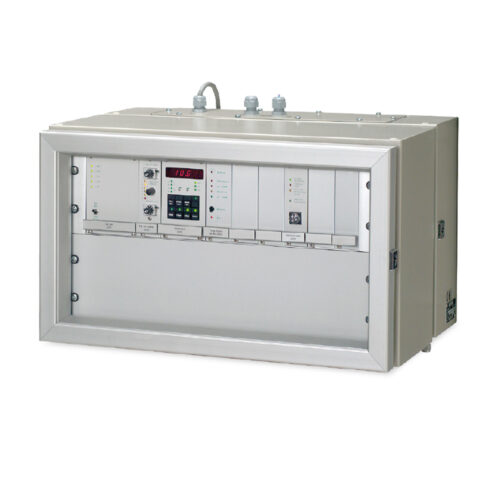
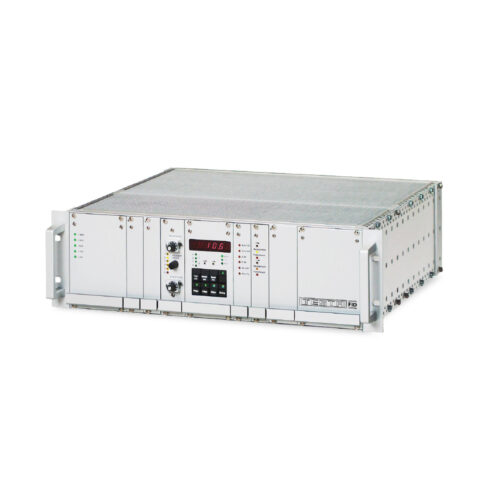 Methane only / Total Hydrocarbon THC monitoring system (Change-over switch) The 19” Flame-Ionisation-Detector (FID) 1230NMHC measures with its built-in NMHC-Cutter the methane concentration (methane only) and after switching to THC in a wide range of applications like stack gas emissions monitoring, ambient air monitoring, thermal reactor and combustor emissions monitoring and also vehicle exhaust gases. The monitoring is continous with a high accuracy, sensitivity and stability.
 -
19" rack version Flame-Ionisation Detector FID 1230
The Flame-Ionisation-Detector FID1230 Module measures Total Hydrocarbons in a wide range of applications like catalytic - and thermal oxidiser plants, waste gas processing plants, room and environmental air, solvent recovery plants and vehicle exhaust gases. The monitoring is continous with a high accuracy. Because of the module system, there is an optimal configuration for every measurement-task under profit aspects possible. All modules can be fit in at any time. -
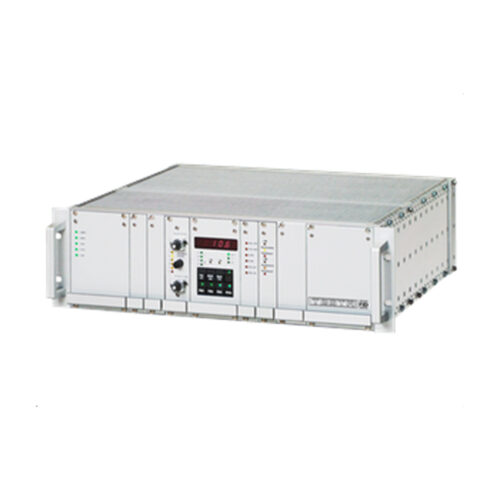
High-Temperature Analyzer for Exhaust gas measurement
The flame-ionization-detector 1230I-H can measure the sum of total hydrocarbon concentrationin applications like cold starts of engines (down to–40°Cambient temperature), inwoodburning systems and also at engine test units (especially oil-and gasburners, airplaneengines etc.) Our high temperature heated lines with a operation temperature of 400°C are made additionally for measurements of highboiling hydrocarbons. For the sample-gas pickup we have built some prefilters who are able to hold back the tar compounds. -
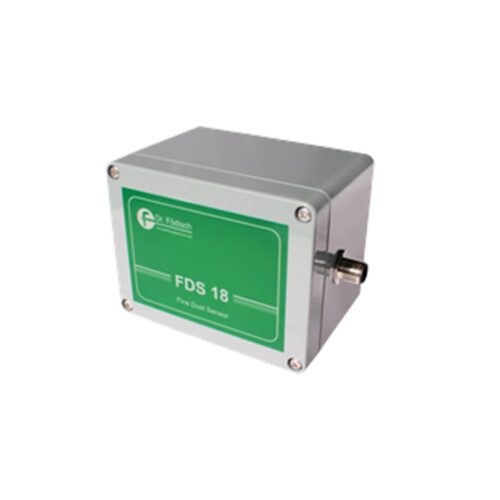
- real-time measurement of PM2,5
- Monitoring of fine dust concentrations in ambient air and/or at workplaces
- optical sensor including fitting with clip system, therefore easily exchangeable
- active and automatic zero point setting
- active air suction
- Integrated pre-separator for particles > 2,5 µm
- noiseless operation
- network-compatible
-
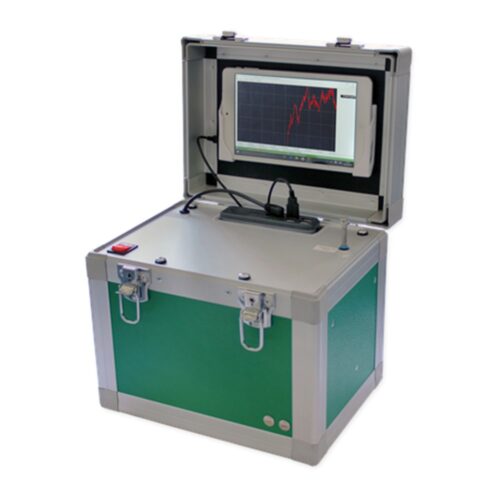
- simultaneous real-time measurement of PM10 & PM2.5
- based on optical sensor, active suction & patented electrostatic precipitator for zero point setting
- flexible use - indoors & outdoors -
- portable case with offline power supply by power bank
- including data logger for storage of measuring values
-
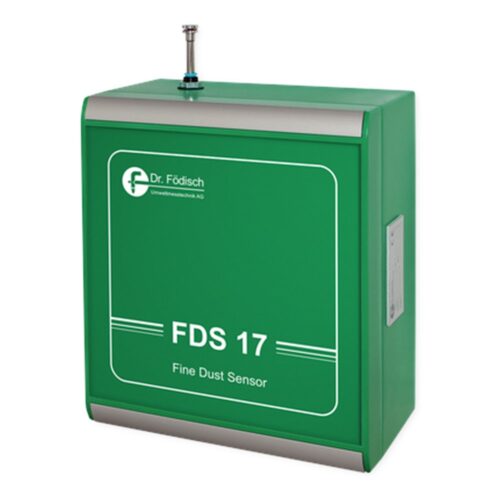
- optical sensor for continuous, simultaneous measurement and control of fine dust contents PM10/TSP and PM2,5
- patented zero point control by electrostatic precipitator
- smart, robust, network-capable
- simple unit design
- installation without any special tools
-
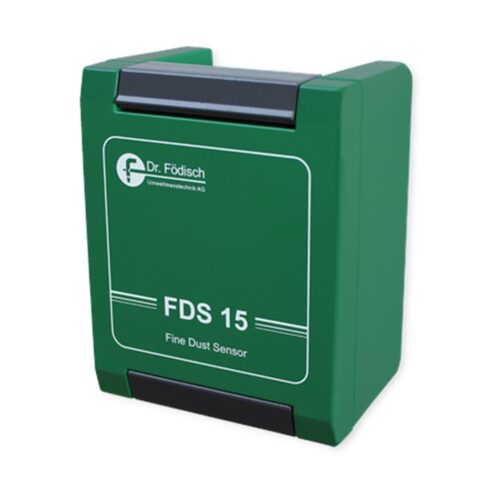
Optical sensor for continuous measurement and monitoring of fine dust contents indoor and outdoor.
- optical sensor for continuous measurement and monitoring of fine dust concentrations (PM10, PM2.5)
- smart, robust, network-capable
- simple unit design
- installation without any special tools
-
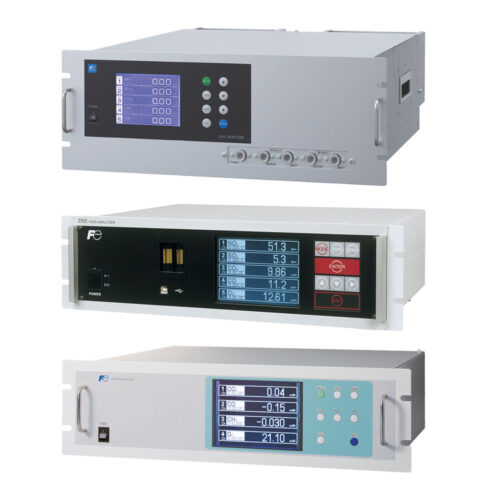 Fuji Electric Extractive Gas Analyzers for process control and continuous measurement of stack emissions. Their QAL1 certification guarantees high performance and regulatory and normative compliance. Reliable and precise, their design quality guarantees 24-hour operation in difficult environments such as smoke from industrial chimneys. Robustness reduces maintenance costs and increases the availability of boilers and equipment. Extractive measurement consists of taking a gas flow from the chimney or the gas pipe via a sampling probe and conveying it to the gas analyzer. The gas is sampled, treated in order to ensure optimal conditions for gas measurement.
 -
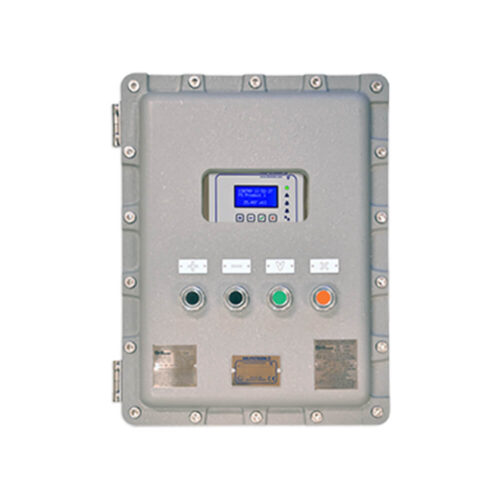 The Kemtrak EX-D3 hazardous area enclosure allows the use of a Kemtrak 007 series process analyzer in potentially explosive atmospheres. The primary function of an Ex d enclosure is to prevent the propagation of an internal explosion to the surrounding explosive atmosphere and protecting the internal components from the environment, humidity, dirt, dust or water. A window on the front of the enclosure is used to view the analyzer display and status lamps while four external push-buttons provide complete operation control of the instrument. All Kemtrak products use fiber optics and maintenance free measurement cells with no electronics or moving parts to perform the measurement. Fiber optics are ideally suited for use in explosive environments as they only allow transmission of ultra-low power cold light.
 -
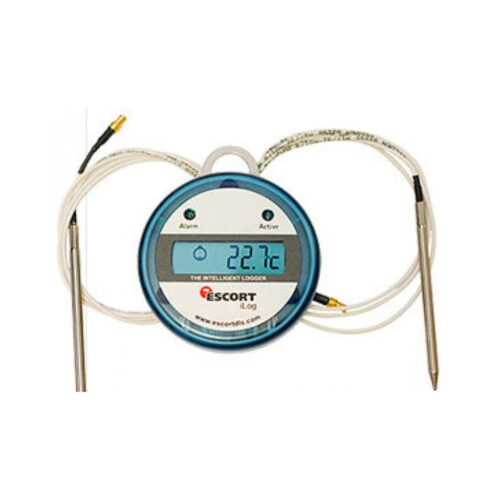
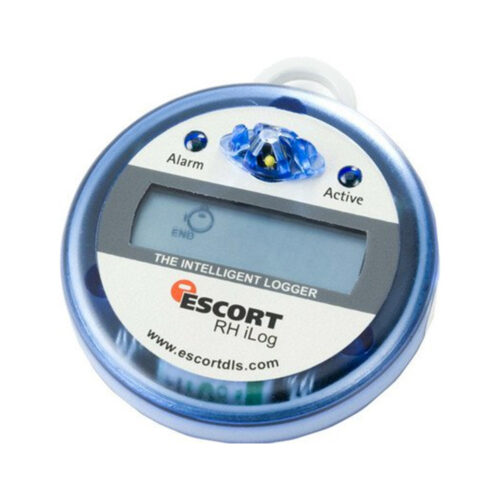 We have a whide variaty of sensors, loggers/recorders for temperature and humidty. Digital temperature data logger with display Escort MINI is a self-sufficient data logger that measures temperature. To start logging, a brief pressure on start button is enough. A large LCD display provides log information and alarm status. Escort MINI’s enclosure is made of ABS plastic and has an optional internal or external probe. The internal memory logs up to 1868 readings, with a sample rate from 1 up to 255 minutes. iLog is a self-powered temperature data logger. An excelent resolution of 0,1ºC along with a high accuracy of ±0,3ºC gives the iLog the capability to detect and to log the smallest variations of temperature. A large LCD display and external indicators provide log information and alarm status. The internal memory logs up to 32000 readings, with a sample rate from 1 second up to 10 days.
 -
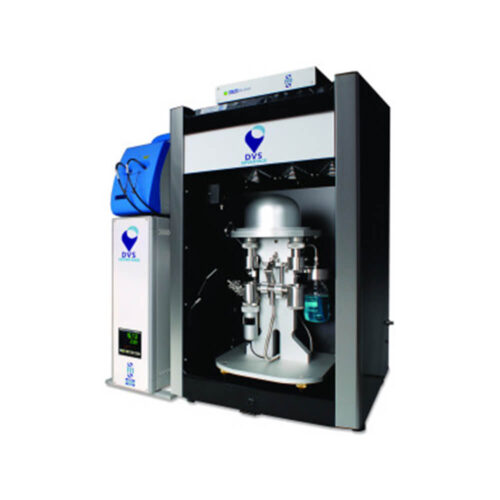 Dynamic Vapor Sorption (DVS) is a gravimetric technique that measures how quickly and how much of a solvent is absorbed by a sample. It does this by varying the vapor concentration surrounding the sample and measuring the change in mass loss or uptake. Water vapor is most commonly used, but it is also possible to use a wide range of organic solvents. The DVS instrument rapidly measures uptake and loss of moisture or organic vapours by flowing a carrier gas at a specified relative humidity over a sample (which can weigh between 1 mg and 4 g) suspended from the weighing mechanism of an ultra-sensitive recording microbalance. This particular microbalance is used as it is capable of measuring changes in sample mass lower than 0.1ppm , providing unrivalled long-term stability required for accurate measurements of vapour sorption, which may take from minutes to days to complete depending upon the sample size and material. A big factor of sorption behaviour is the need to establish rapid sorption. So the DVS instrument allows sorption behaviour to be accurately determined on very small sample sizes (typically 10 mg) to have a fast expiriment.